Traditional Wedding Services in South Africa
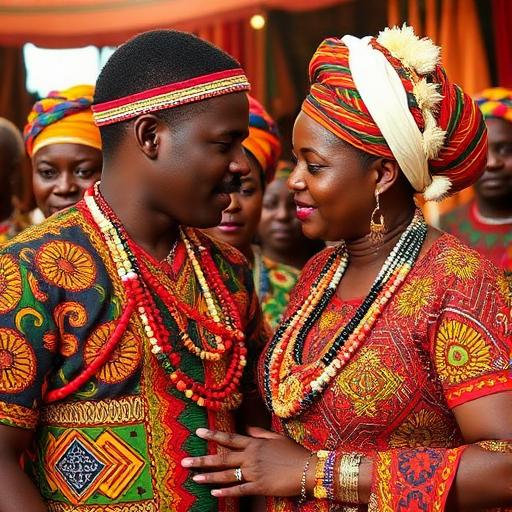
A traditional South African wedding is not a themed version of a white wedding. It is a set of ceremonies between two families, with its own sequence, obligations and roles, and it often takes place at a family home rather than at a commercial venue. Suppliers who have worked these events understand that difference immediately.
The customs vary by culture. Zulu celebrations may include umembeso and umabo; Xhosa families observe utsiki and the making of the makoti; Tswana, Pedi, Sotho and Venda families each have their own patterns; and lobola negotiations precede all of them, conducted by delegated family members rather than the couple. Many couples then also hold a white wedding, sometimes the following day.
Practically, the supplier requirements are distinct: a large tent or marquee on uneven ground at a family home, cooking for a community turnout that far exceeds a formal guest list, mobile ablutions, sound for a large open space, and an MC who can run a programme in the right language and honour the right people in the right order.
Get quotes from traditional wedding vendors near you
Post your requirement once — free for couples — and let verified South African vendors bid for your wedding.
Post your requirementWhat affects the price
- Number of ceremonies: Lobola, umembeso, the traditional ceremony and a white wedding are separate events, each with its own catering and setup.
- Community attendance: Traditional celebrations often feed far more people than a seated wedding, and the count is rarely exact.
- Home versus venue: A family homestead needs tents, ablutions, power, cooking equipment and sometimes ground preparation.
- Attire: Traditional outfits for the couple and often for family members are usually custom made by specialists.
- Location: Rural homesteads add supplier travel, overnight stays and equipment transport.
- Cooking arrangements: Family-led cooking on site versus hired catering changes both the cost and the equipment hire list.
Questions to ask before you book
- Have you worked at traditional ceremonies at a family homestead before, and can you show examples?
- Can you cater for an uncertain and much larger community turnout, and how do you plan the quantities?
- Do you supply tents, mobile ablutions and power for a site with no infrastructure?
- Can the MC run the programme in the languages our families speak?
- Will you accommodate family-led cooking or slaughtering alongside your service?
- How do you handle a two-day programme across a traditional ceremony and a white wedding?
Cultural and logistical requirements
- Lobola is negotiated between families through delegates; the couple does not usually take part directly.
- Ceremony sequence and who is honoured in the programme are decided by elders — the MC must be briefed properly.
- Gift exchange ceremonies such as umembeso involve presenting specific items to the other family and need setup space and time.
- Traditional attire for the couple and family is custom made; start those orders several months out.
- Slaughtering and traditional cooking must be agreed with the venue in advance and are usually family-led.
- Register the customary marriage with Home Affairs so it is legally recognised and easy to prove later.
Frequently asked questions
Can we have a traditional ceremony and a white wedding?
Very commonly, yes. Some couples hold them on consecutive days, others months apart. Plan them as two events with separate budgets, timelines and supplier lists.
Is a customary marriage legally recognised in South Africa?
Yes, under the Recognition of Customary Marriages Act, provided the requirements are met. It should still be registered with Home Affairs so you have documentation.
How do we cater when we do not know exactly how many people will come?
Tell caterers upfront that community attendance is open. Experienced suppliers plan a base count with a contingency and design the menu so quantities can stretch.
What do suppliers need to know that is different from a white wedding?
That the programme is family-led rather than planner-led, that timings shift, that the venue may be a homestead with no infrastructure, and that respect for elders and the order of proceedings comes before the schedule.
Ready to compare traditional wedding quotes?
Tell us what you need and receive bids from verified vendors — no cost, no obligation.
Post your requirementAre you a traditional wedding supplier in South Africa?
List your business free on WedBid and start receiving wedding leads from couples across South Africa.
List your business free